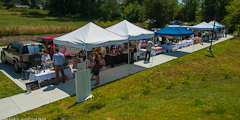
Food Hubs: Back to the Future?

In an effort to bring back a connection between small local producers and their wholesale customers, particularly by urban and land use planners, the concept of a “food hub” has been introduced. Or some would say, “re-introduced.”
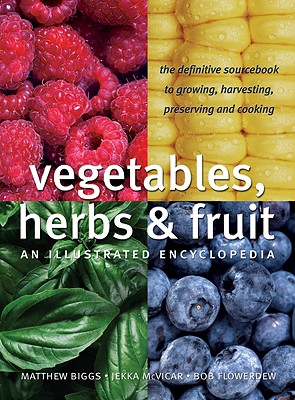
Vegetable reference books: Where did THAT come from?

How do you grow it? How do you harvest it? How do you prepare it? Here are three references that will help you learn more about veggies like red runner beans, New Zealand spinach (one of our favorites), black radishes, purple potatoes, kohlrabi (another on our “like” list), fennel (the herb and the vegetable), and rainbow-colored carrots.

The Problem of the Last Mile

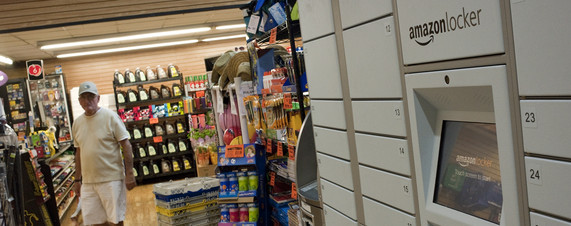
Until the day comes when we can teleport physical products from one point to another, we will have to depend on distribution networks that include trains, planes, and automobiles (or trucks). You can download an e-book or a movie, but you just can’t download a shirt or dozen eggs.

Can Western Washington Feed Itself?

Studies providing real information about food production and consumption, especially incorporating local and regional data from the private sector, are increasingly important yet difficult to obtain. Those people involved in food policy and urban planning are hard pressed for both the funding and access to accurate data to prepare adequate studies. Nonetheless, an accurate view of the amount of perishable food that is produced or comes into a region and is being consumed or disposed is critical to the improvement of the food system. The Western Washington Foodshed Study is one of those reports.

Community Supported What? CSA, CSB, CSR, CSW, CSF?

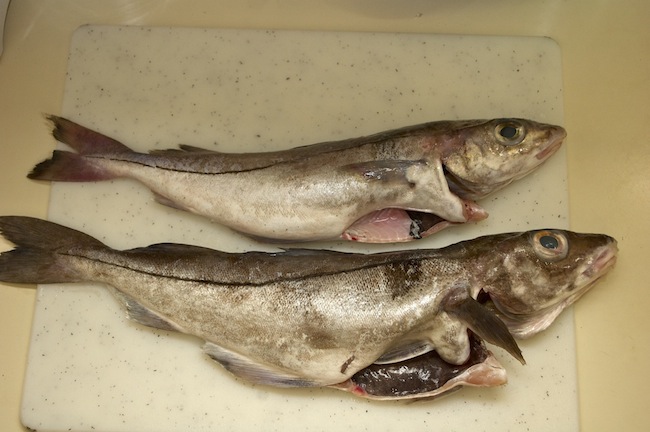
Spend a little time in the presence of a local food advocate and you’ll hear a string of acronyms beginning with CS: Community Supported Agriculture (CSA), Community Supported Bakery (CSB), Community Supported Restaurant (CSR), Community Supported Winery (CSW), Community Supported Fishery (CSF). What is all this community support about and what do these programs really mean?

Why Is There Hunger In a World of Plenty?

Here in the US, we have not only very tight control of food and food surpluses by Big Food and Big Ag, we have an additional form of control: intentional degrading of food quality through hyper-processing for profit. Yes, it takes money to access good food; yet we are seeing new forms of malnutrition from overly processed and adulterated food. Raj Patel, writer, activist, and academic, discusses the role of international food markets in propagating inequities in food access and distribution.

Pests: Weeds and Unwanted 4-Legged Visitors

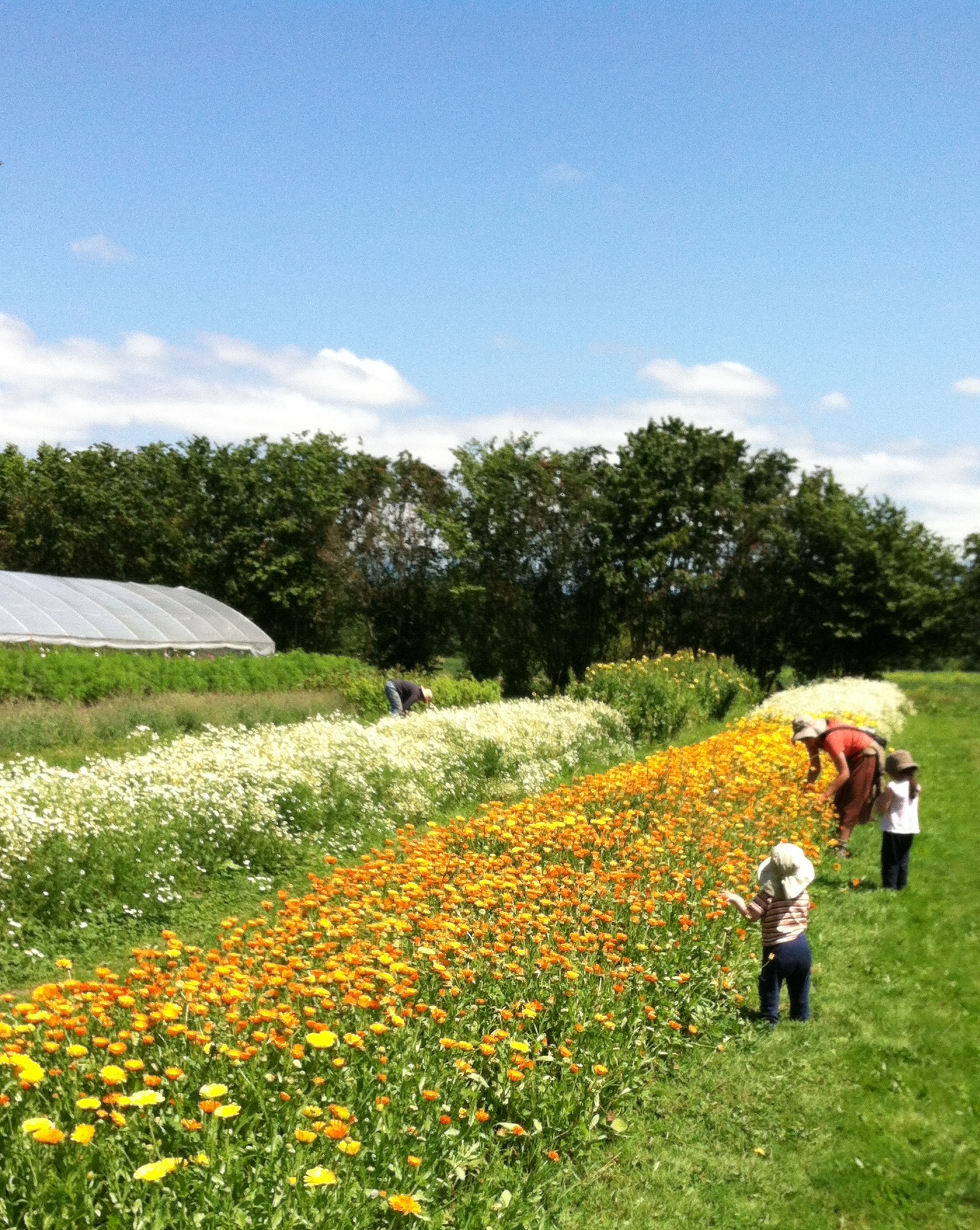
Yesterday was Tuesday which meant that we spent our afternoon at Jubilee Farm weeding. Actually, at this time of the year, the jobs fall pretty evenly between harvesting and weeding! Simply not enough time