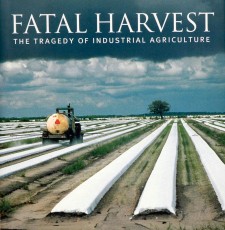
Fatal Harvest edited by Andrew Kimbrell

Fatal Harvest takes an unprecedented look at our current ecologically destructive agricultural system and offers a compelling vision for an organic and environmentally safer way of producing the food we eat. ts scope and photo-driven approach provide a unique and invaluable antidote to the efforts by agribusiness to obscure and disconnect us from the truth about industrialized foods.
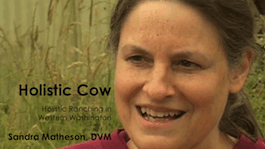
Holistic Cow!

Sandra Matheson, farmer, educator, and retired veterinarian, talks about working with nature to leave the land in better condition. Her philosophy is to make “holistic” decisions that are socially, ecologically, and economically sound and balanced—and to help others do the same!

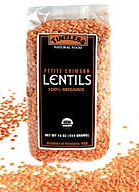
Cooking Peas and Lentils

Pass the peas (and lentils), please! These humble legumes deliver a world of flavor in dishes that are exotic, unexpected, and traditional. The good news: dry peas and lentils can be stored indefinitely when kept cool and dry. Bon appétit!

Terroir-ist’s Manifesto

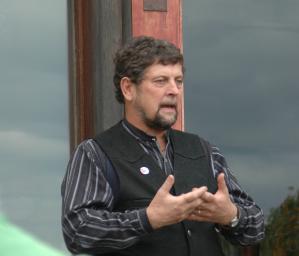
Living in what he affectionately calls “the stinkin’ hot desert,” in Patagonia Arizona, along the Mexican border, Gary Paul Nabhan is exploring ways to grow food using traditional sustainable methods, careful water collection, and seed saving.

Organic Farming for Health and Prosperity

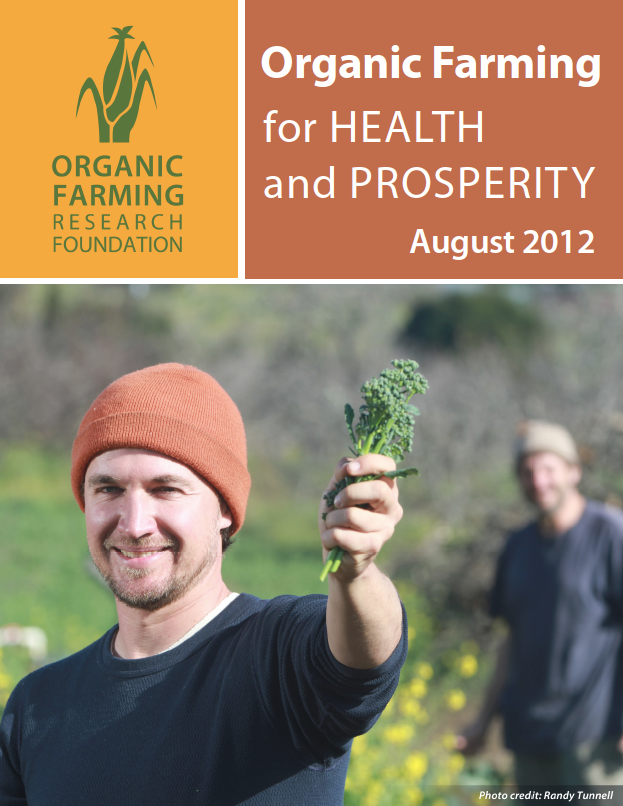
This comprehensive report extols the multiple societal benefits of organic farming in North America. To partner with stakeholders who share in these benefits, OFRF produced this document for policy makers, educators, researchers, healthcare professionals, business leaders and families, like yours and mine.

Just what IS organic?

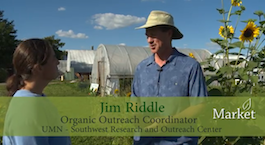
Jim Riddle is the Organic Outreach Coordinator for University of Minnesota – Southwest Research and Outreach Center. He answers the question: “What does it mean when produce and meat products are labeled organic?”

Crossing the Chasm with Viva Farms

Big agriculture is big business; too big, too distant, too reliant on the latest technology, and too focused on profit over good food. Expecting complex technology and genetic engineering to solve the problems of climate change, extreme weather patterns, water shortages, and dwindling supplies of fossil fuels, is not the answer. It is time to go back to the land, to restore our natural resource base and re-invest in our people.

Les Halles, the Stomach of Paris by Jacques Prévert

Imagine: It’s 2:30 in the morning; trucks are pulling up to unload fresh fruits, vegetables, meat, cheese, flowers, and more. Chefs and wholesalers make deals with a handshake and crates of produce and other food products are loaded into vans and lorries for delivery. While the rest of the world sleeps, the wholesale market is awake and doing business.