Women Hold Up Half the Sky*

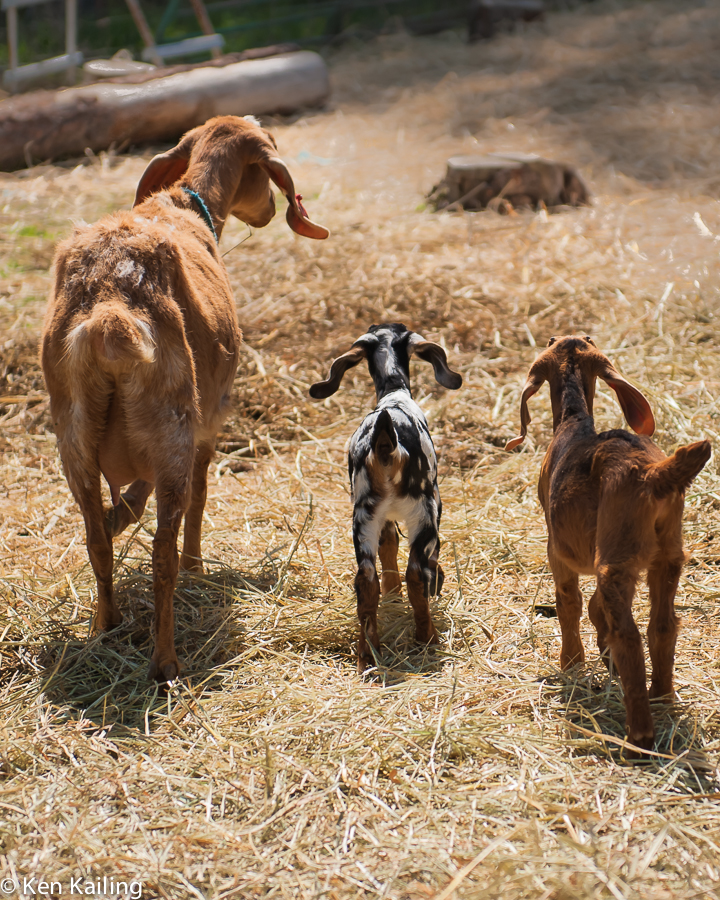
Many women in farming have had to develop their own production techniques, their own farming methods, and even their own animal breeds and bloodlines. And in the US, we’ve seen women become experts, teaching other young women to farm, and leading the food movement in small livestock production equal to or even beyond the contribution of academics with little or no field experience. We highlight four women farmers raising small livestock (one of whom has retired after 44 years of sheep farming) to recognize the commitments they have made to what is essentially “women’s work” – that is, small ruminant husbandry.

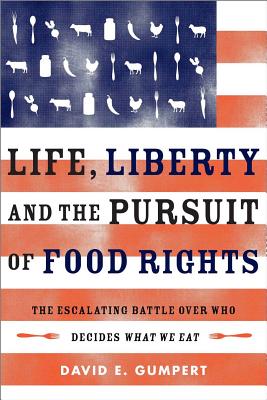
Life, Liberty, and the Pursuit of Food Rights by David E. Gumpert

Who is it that decides what you get to eat? In reality, it’s not a decision you actually get to make for yourself. Concentration of production and processing in the hands of fewer and fewer large companies has resulted in more control over what is grown, processed, and packaged for sale.

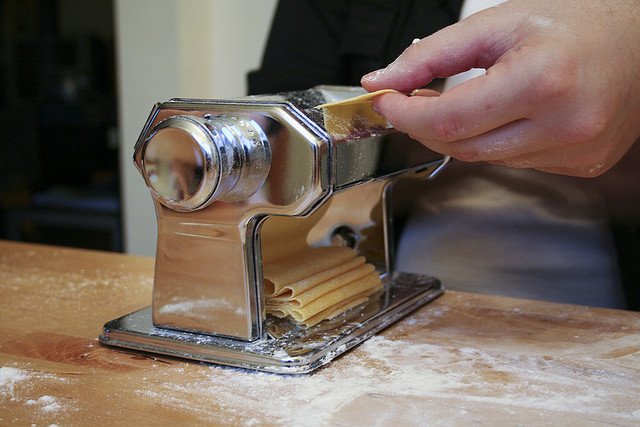
Noodles: Like Mama Used to Make

Why would I make noodles when I can pop into my neighborhood grocery and get them for less than $2 a pound? And that question has a logical answer: Because if I make them, they are fresh, and I know exactly what goes into them.

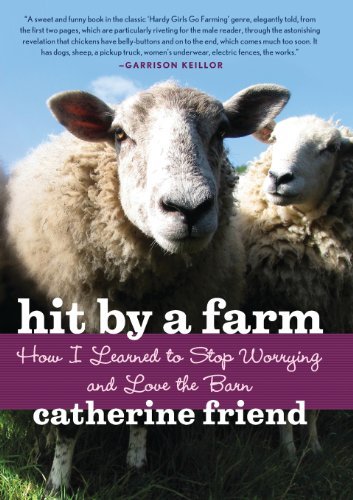
Hit By a Farm: How I Learned to Stop Worrying and Love the Barn by Catherine Friend

Hit by a Farm is a hilarious recounting of Catherine and Melissa’s trials of “getting back to the land.” It is also a coming-of (middle)-age story of a woman trying to cross the divide between who she is and who she wants to be, and the story of a couple who say “goodbye city life” — and learn more than they ever bargained for about love, land, and yes, sheep sex.

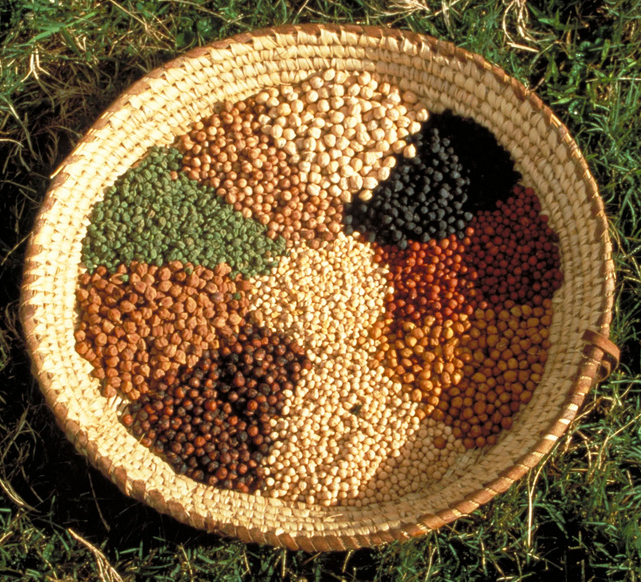
Peas and Beans and Lentils, Oh My!

Lentils (those tiny little legumes often displayed in the “healthy grains” section of the supermarket) are not commonly on the dinner plate in most American …

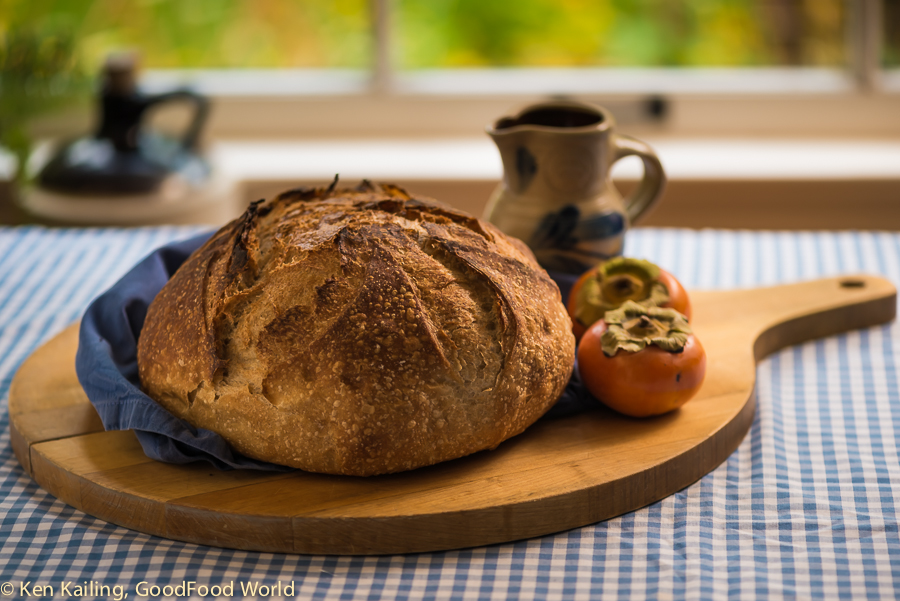
Wonder Bread or Wonderful Bread?

Chances are your family’s daily bread is just another item on your list when you shop at your favorite supermarket. Let’s take a closer look at what you’re bringing home; your bread may be “in disguise.” It’s pretty clear that fluffy loaves of mass-produced soft, damp, nutritionally deficient, chemical-laced bread made in large industrial “bread factories” and sold in tightly sealed plastic bags contain additives and preservatives to make them easy to process and to give them a long shelf life. But what about the rest of those loaves lined up just asking to be dropped into your shopping cart?

MOA Annual Conference 2013: Good Soil, Good Crops, Good Food

Every December for the last decade, regardless of the weather, the Montana Organic Association (MOA) has held its annual conference. This year, from December 12-14, about 100 hardy souls gathered in Kalispell Montana to learn more about organic production, seed saving, and GMOs. Some of the participants traveled for hours through blowing, drifting snow and temperatures as low as -35°.