A Tale of Two Trees

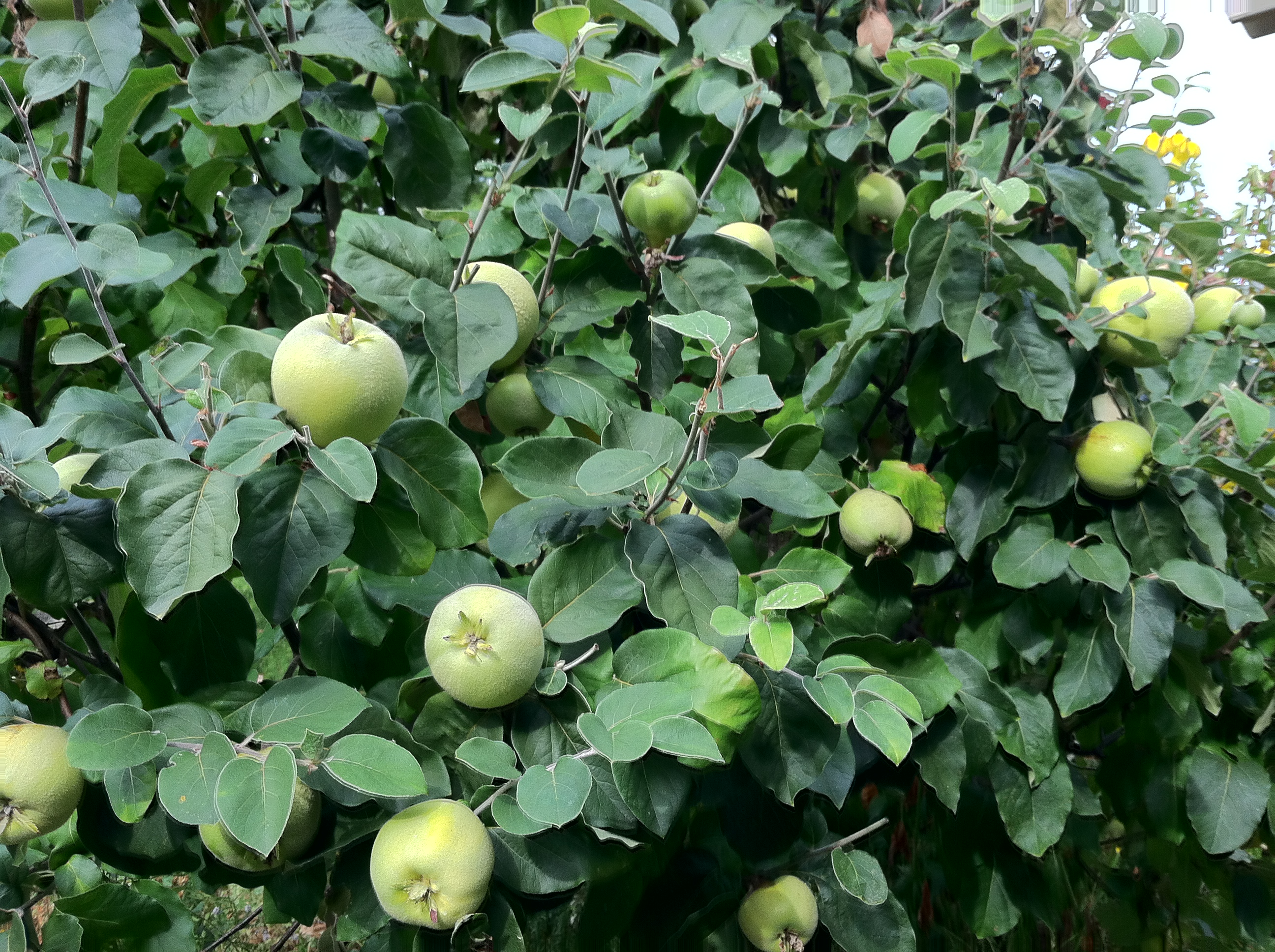
If you want fruit for yourself and not the neighborhood raccoons, do NOT plant a plum tree! Your creative raccoons will elect a “climber” to go up in the tree and carefully pick and drop every piece of fruit to the ground so the “gatherers” can run off with the loot. At least that’s what we think happened when our plum tree was stripped of all its nearly ripe fruit in a single night. On the other hand, the quince was left to its own business.
Apple Pie: #2 and trying harder!

Making out your Thanksgiving menu? Checking it twice? So what’s the most popular pie for dessert? Yes, Virginia, it’s pumpkin pie… but a close second is apple. Good, old fashioned, homemade apple pie! Meet George and Apple Otte, River Vally Organics, growers of organic apples and pears.

Cooking Lentils? You’re Doing It Wrong!

I’ll admit, I’m not the world’s best cook, I didn’t grow up surrounded by cooks – but I can sure tell you when I’ve managed to cook something wrong! Peas, beans, whole grains, and lentils are supposed to be good for you. So I blundered ahead and made lentil mush. Hmmm… definitely not doing this right!

Do we really need industrial agriculture to feed the world?

Have you heard the myth that we need industrial agriculture to feed the world? Can sustainably grown food deliver the quantity and quality we need – today and in the future? This Food MythBusters film answers these questions and more in under seven minutes.

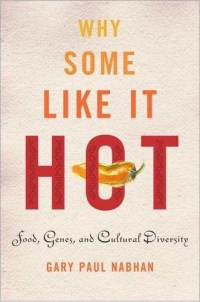
Why Some Like It Hot by Gary Paul Nabhan

Gary Nabhan is an ethobiologist who studies nutritional ecology. What exactly does that mean? Nabhan is at the center of the convergence of genes, diets, ethnicity and place. He has researched food allergies and intolerance, dietary diseases, and the “ghosts of evolution” hidden in every culture.

Back to the Future – Redux

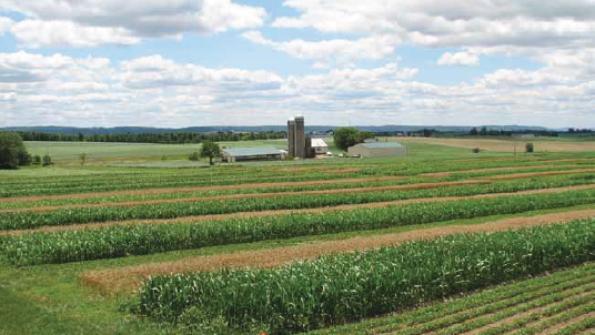
Mark Bittman’s A Simple Fix for Food is an examination of a new study that produces results some farmers knew 30 years ago (even as long as 70 years ago). The conclusions? Organic farming – or at least very low chemical input – practices work.

Keeping Goats

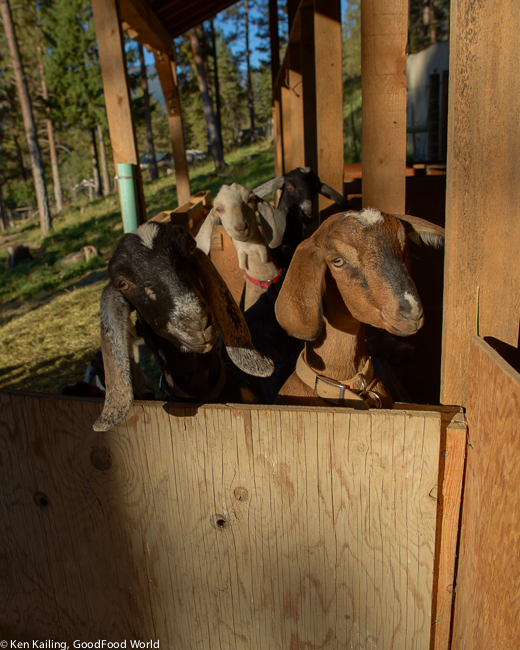
Goats… what makes goats so fascinating? Is it their friendly inquisitiveness? Their obvious affection and sense of humor? The odd horizontal pupils in their eyes? Or is it simply the fact that they have been part of our lives for thousands of years?

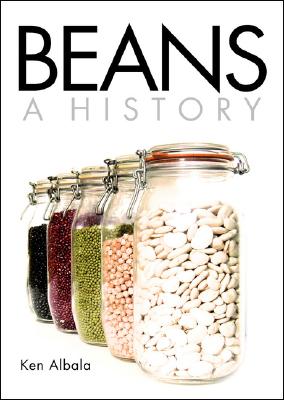
Beans: A History by Ken Albala

This is the story of the bean, the staple food cultivated by humans for over 10,000 years. From the lentil to the soybean, every civilization on the planet has cultivated its own species of bean. The humble bean has always attracted attention – from Pythagoras’ notion that the bean hosted a human soul to St. Jerome’s indictment against bean-eating in convents (because they “tickle the genitals”), to current research into the deadly toxins contained in the most commonly eaten beans.