Carolyn Steel Tells How Food Shapes Our Cities

Every day, in a city the size of London, 30 million meals are served. But where does all the food come from? Architect Carolyn Steel discusses the daily miracle of feeding a city, and shows how ancient food routes shaped the modern world.

Food is a shared necessity — but also a shared way of thinking; looking at food networks offers an unusual and illuminating way to explore how cities evolved.
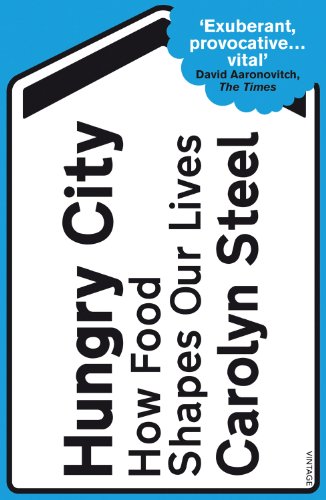
Hungry City: How Food Shapes Our Lives by Carolyn Steel

This original and revolutionary study examines the way in which modern food production has damaged the balance of human existence, and reveals a centuries-old dilemma that holds the key to a host of current problems, among them obesity, the inexorable rise of the supermarkets, and the destruction of the natural world.

Clamming Up in Washington

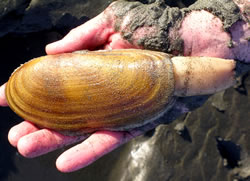
Forget high tech, forget “Big Ag;” there are still hunter/gatherers at work on Washington’s Pacific coast. Pacific razor clams (Liliqua patula) grow wild on ocean beaches; they can’t be commercially grown in Puget Sound like oysters and other clams including geoducks. They are harvested with a bucket and a shovel, by hand.

Good Food Does NOT Make You Sick

On a busy workday in early September, FDA inspectors made their “routine” visit to Amaltheia Organic Dairy. Garbed in hazmat suits, hair nets, face masks, and disposable gloves and booties, a team of inspectors examined the small cheese processing plant from top to bottom. The result? Mel and Sue Brown and their cheese company passed with flying colors.

Bringing It to the Table by Wendell Barry

Only a farmer could delve so deeply into the origins of food, and only a writer of Wendell Berry’s caliber could convey it with such conviction and eloquence. Long before Whole Foods organic produce was available at your local supermarket, Berry was farming with the purity of food in mind. For the last five decades, Berry has embodied mindful eating through his land practices and his writing.

Engineering an Organic Farm

Raising more than 400,000 pounds of hay and grain to produce more than 48,000 pounds of meat and 4,500 eggs on 150 acres of farmland is no small job. Jennifer Argraves and Louis Sukovaty are literally running from sun up to sun down. Louis is an electrical and mechanical engineer by trade and Jennifer is a civil engineer. Both apply their systems thinking to every project on the farm, looking for ways to let the “process” do all the work.