A Tale of Two Farms: What’s Next?

“It was the best of times, it was the worst of times, it was the age of wisdom, it was the age of foolishness…” Dickens was talking about London and Paris in his novel published more than 150 years ago, but he might have been describing 21st century farming. We’ve recently taken a clear look at two farms serving Puget Sound, Nash’s Organic Produce and Jubilee Biodynamic Farm, and now it’s time to ask, What’s next?
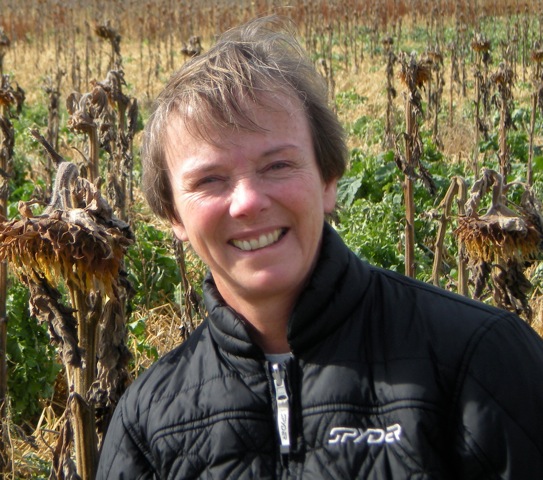
Dr. Jill Clapperton, Rhizoterra, on Soil Health

Dr. Jill Clapperton, soil scientist, says that farmers need to focus on building diversity of organisms within soils. Poor soil biology produces poor crops in terms of both crop yields and nutrient content.

This Much and No More – Jubilee Biodynamic Farm: Small is Beautiful

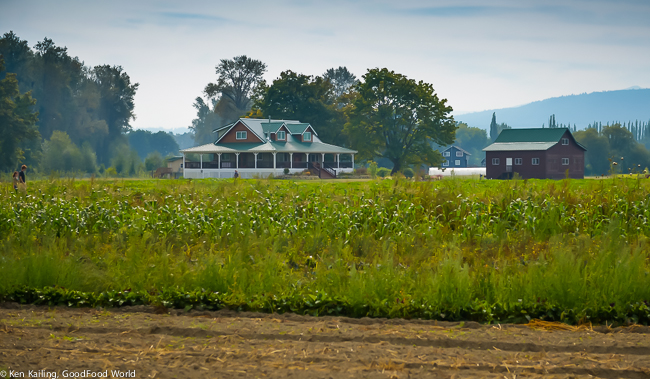
Erick and Wendy Haakenson, and their son David and his wife Kristin, are farming in a floodplain skirted by the Snoqualmie River. An active farm nearly for 25 years, Jubilee Biodynamic Farm is home to one of the largest and oldest Community Supported Agriculture (CSA) programs in the state. Jubilee is an intensively managed, diversified farm comprised of 14 acres of fruits, vegetables, and grains and around 35 acres devoted to beef cattle, pigs, sheep, chickens, and ducks.

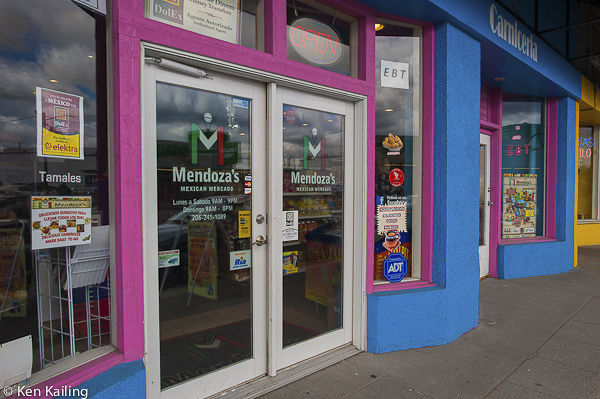
Mendoza’s Mexican Mercado Revisited

In a city where conventional supermarkets and specialty markets like Whole Foods and PCC abound, what makes Mendoza’s Mercado so special? Mendoza’s secret ingredient is Sonia’s cooking – like “me abuela hizo” – “My grandmother made…”

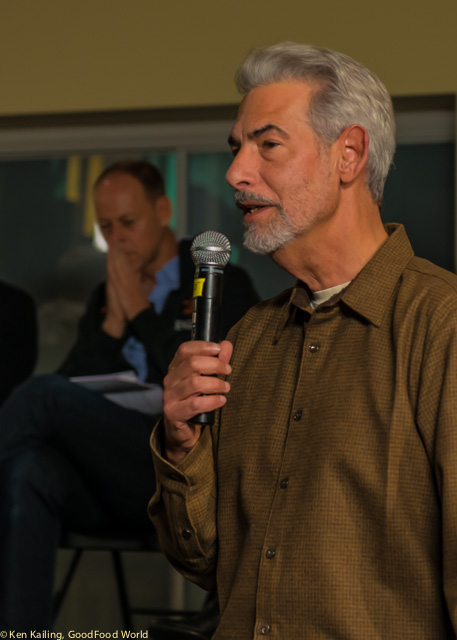
The Future of Farming and Food, A Whole Foods Speaker Series Event

Getting good food from the field to the fork is not a solitary occupation, it takes a team: farmers, food processors, researchers, and retailers. And discussions like the Seeds of Innovation: The Future of Farming and Food should take place more often and in more communities. It’s a must for a good food world.

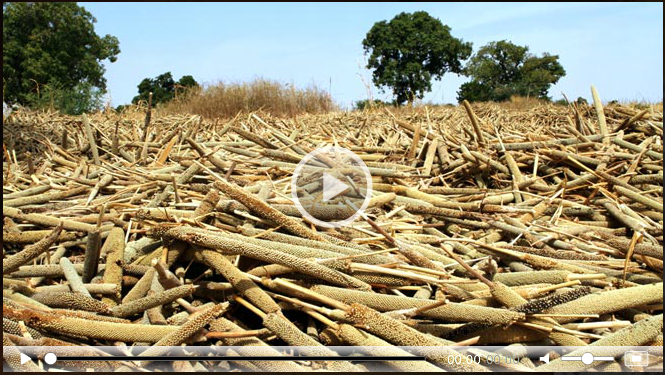
African Land Grabs: Land Rush, a Video

Africa produces 10 percent less food than it did in 1960. With the rise of monoculture farming and globalized food production, the landscape of the continent is shifting and threatening its ability to feed itself. In Mali, an American plan for a vast sugar cane operation on the banks of the Niger River threatens small-scale native rice farmers who have fed their communities for generations.

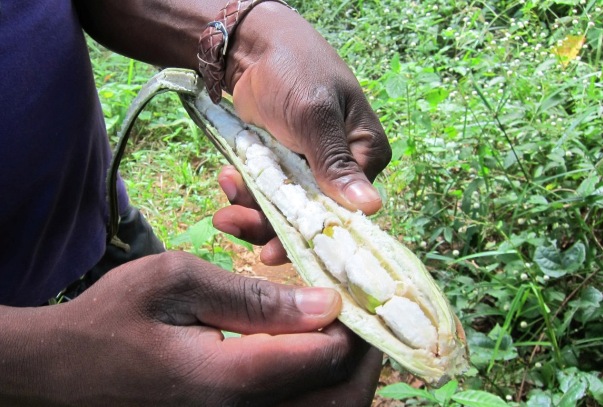
Village Farming in the Amazon Jungle: Penpe, Suriname

You won’t find a lot of Big Ag in Suriname; in fact, you won’t find a lot of big anything there. With a population that barely eclipses the half-million mark — most living along the northern coastal area — the largest venture in South America’s smallest country is bauxite mining. And while there are some export food crops, primarily rice and bananas, start heading deeper into the Amazon Jungle and soon the scale of farming operations shrinks.