Growing a Farmer: How I Learned to Live Off the Land by Kurt Timmermeister

Told in Timmermeister’s plainspoken voice, Growing a Farmer details with honesty the initial stumbles and subsequent realities he had to face in his quest to establish a profitable farm for himself. Personal yet practical, Growing a Farmer includes the specifics of making cheese, raising cows, and slaughtering pigs, and it will recast entirely the way we think about our relationship to the food we consume.
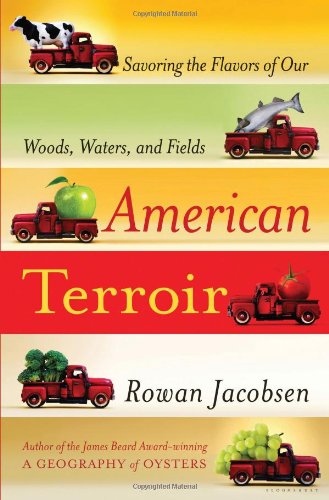
American Terroir – Savoring the Flavors of Our Woods, Waters, and Fields by Rowan Jacobsen

As Americans read Michael Pollan, watch documentaries like Food, Inc., and learn of the latest salmonella outbreak, they are paying more attention than ever before to the origins of their food. American Terroir will introduce them to the “flavor landscapes” of some of our most iconic foods, including apples and cider, honey, maple syrup, oysters, salmon, wild mushrooms, wine, cheese, coffee, and chocolate—and explain why all foods are not created equal. Ultimately, good eating is about romance, and American Terroir finds that romance in the farms, forests, and waters where our great foods live.

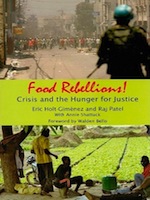
Food Rebellions by Eric Holt-Gimenez and Raj Patel

Why, in a time of record harvests, are a record number of people going hungry? And why are a handful of corporations making record profits? In their new book, Food Rebellions! Crisis and the Hunger for Justice, authors Eric Holt-Giménez and Raj Patel with Annie Shattuck offer us the real story behind the global food crisis and document the growing trend of grassroots solutions to hunger spreading around the world.

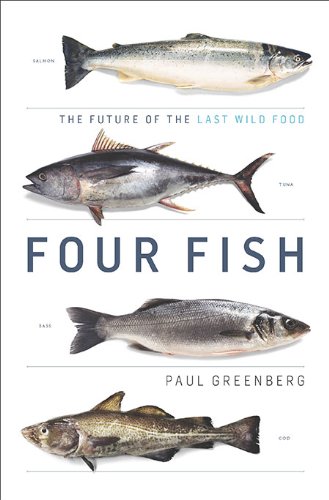
Four Fish by Paul Greenberg

In this unusually entertaining and nuanced investigation into global fisheries, New York Times seafood writer Greenberg examines our historical relationship with wild fish. In the early 2000s, Greenberg, reviving his childhood fishing habit, discovered that four fish – salmon, tuna, bass, and cod – “dominate the modern seafood market” and that “each is an archive of a particular, epochal shift.”

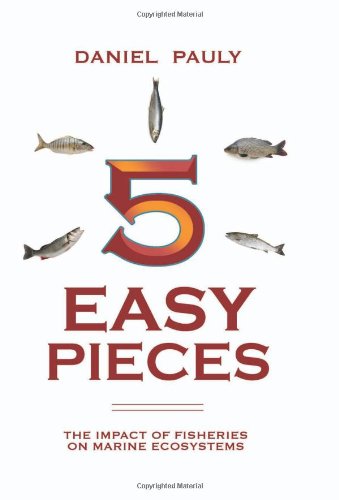
5 Easy Pieces: The Impact of Fisheries on Marine Ecosystems (State of the World’s Oceans) by Daniel Pauly

5 Easy Pieces features five contributions, originally published in Nature and Science, demonstrating the massive impacts of modern industrial fisheries on marine ecosystems. Initially published over an eight-year period, from 1995 to 2003, these articles illustrate a transition in scientific thought, from the initially-contested realization that the crisis of fisheries and their underlying ocean ecosystems was, in fact, global to its broad acceptance by mainstream scientific and public opinion.

Meat: A Benign Extravagance by Simon Fairlie

Meat is a groundbreaking exploration of the difficult environmental, ethical and health issues surrounding the human consumption of animals. Garnering huge praise in the UK, this is a book that answers the question: should we be farming animals, or not?