Back to the Future: Compost on Local Farms
Washington State University Extension, Snohomish County, has field tests in place using locally produced compost (from Cedar Grove) as an experimental input on local farms.
Good Food is Everybody's Business
Washington State University Extension, Snohomish County, has field tests in place using locally produced compost (from Cedar Grove) as an experimental input on local farms.
Scientist, author, and activist, Vandana Shiva presented the University of Victoria’s President’s Distinguished Lecture and Special Convocation address marking the school’s 50th anniversary.
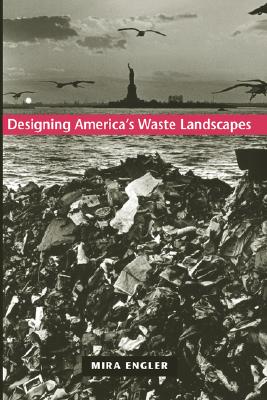
One of the most visible consequences of our society’s breakneck level of production and consumption is the increasing amount of land designated as landfill and other waste disposal and processing sites. Often located in marginal areas or adjacent to politically and economically dispossessed communities, these places are usually ignored by mainstream society, as is the garbage that fills them. Even with the greater awareness of the problems of waste disposal inspired by recycling programs and anti-littering ads, we would much rather take the garbage out than think about where its going.
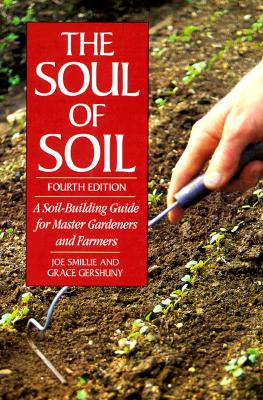
All of us involved in the cultivation of plants–from the backyard gardener to the largest farmer–need to help regenerate a “living soil,” for only in the diversity of the soil and its creatures can we ensure the long-term health of ourselves and our environment. The Soul of Soil offers everyone a basic understanding of what soil is and what we can do to improve our own patch of it. Seen in this light, this practical handbook will be an inspiration as well.
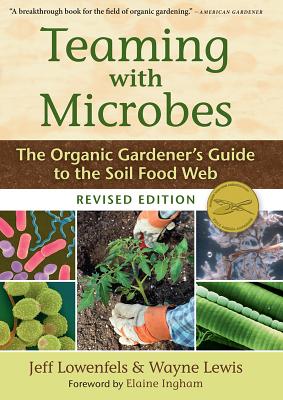
Lowenfels and Lewis describe the activities of the organisms that make up the soil food web and explain how to cultivate the life of the soil. This text offers an accessible guide for gardeners who want to grow healthy, vigorous plants without resorting to chemicals.
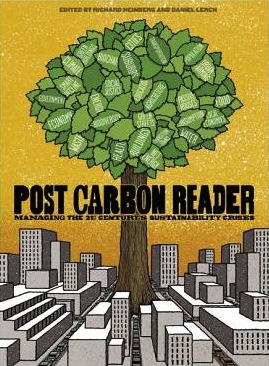
How do population, water, energy, food, and climate issues impact one another? What can we do to address one problem without making the others worse? The Post Carbon Reader features essays by some of the world’s most provocative thinkers on the key issues shaping our new century, from renewable energy and urban agriculture to social justice and community resilience.
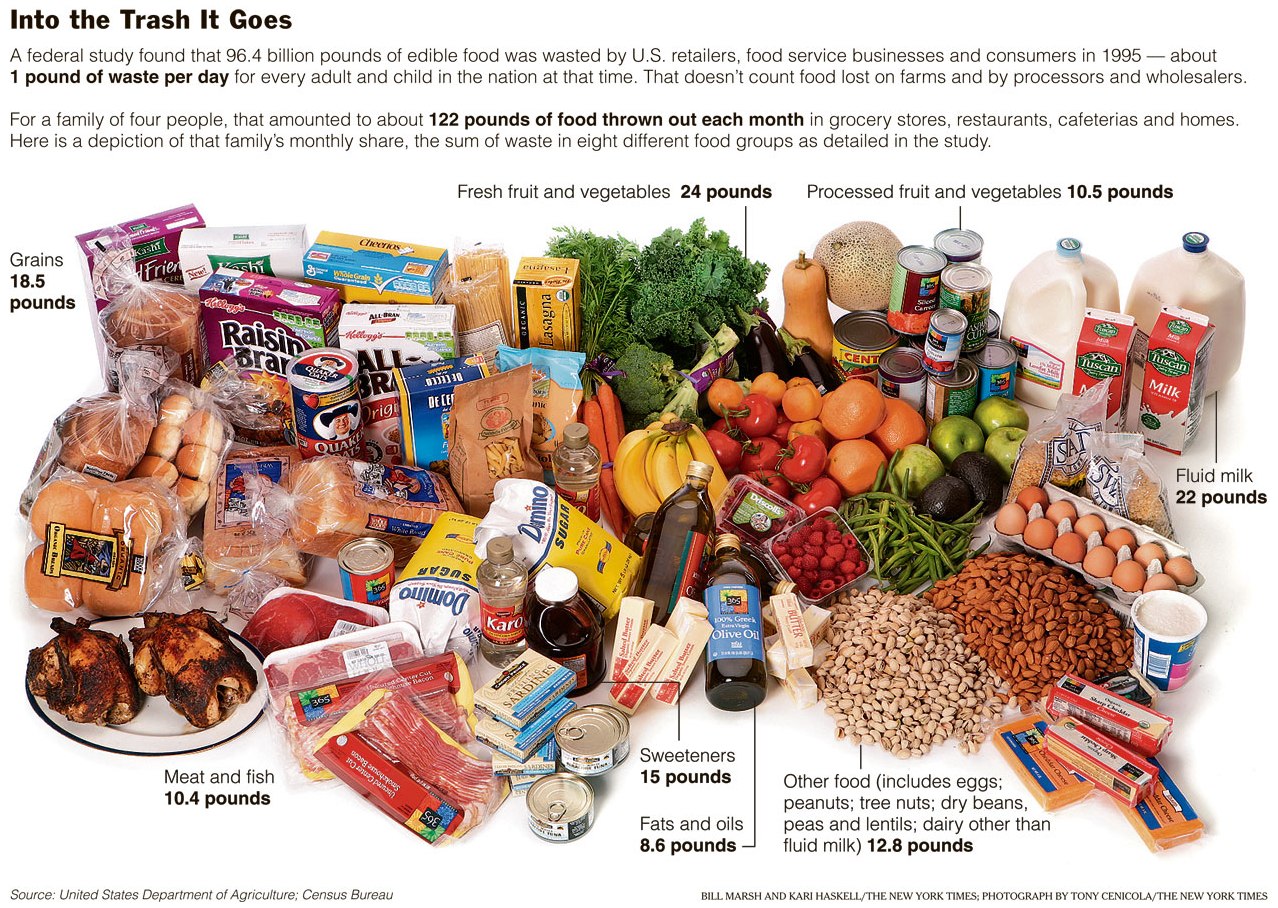
It’s the 21st Century and one would think that by now human beings would have figured out creative and efficient ways to produce sufficient healthy and nutritious (good) food to feed us all and to eliminate costly and destructive food waste. It turns out that we not only haven’t figured it out; the whole process is getting more and more problematic and the amount of food waste – at least in the United States and other developed countries – is increasing.
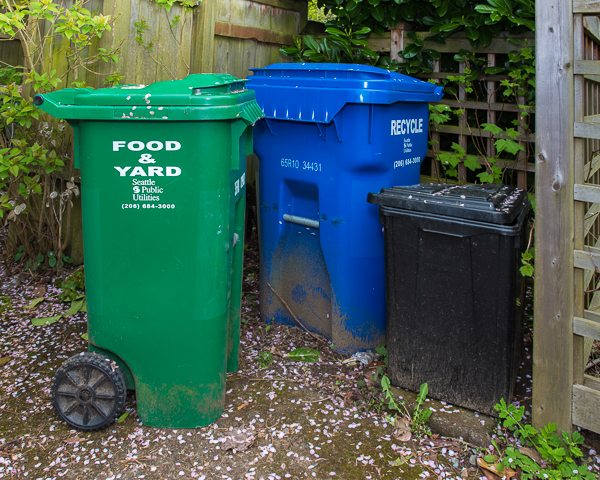
In Washington’s King County most of that waste ends up heading to one of two Cedar Grove Composting facilities where it is mixed with grass clippings, yard waste, and other wood scrap. A visit to Cedar Grove is a fascinating and educational view into the use of unique technology to turn dross into gold.