Food Waste Reduction – Sweet Results
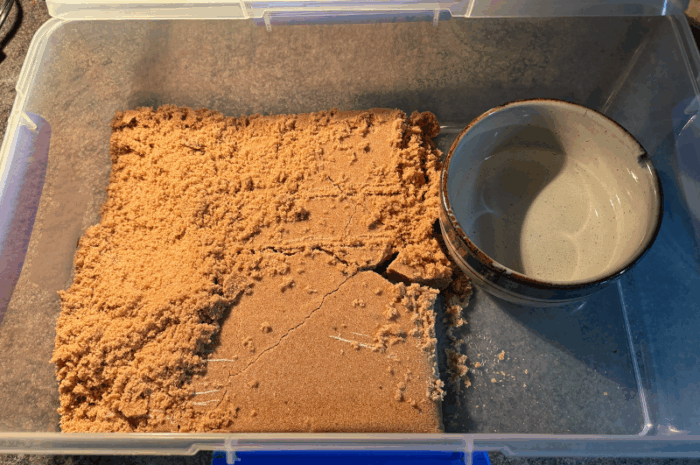
We’ve all done it… bought a fresh bag of brown sugar, tucked it into storage for that next batch of chocolate chip cookies, and forgotten it. Here’s an easy — and quick solution.
Good Food is Everybody's Business
We’ve all done it… bought a fresh bag of brown sugar, tucked it into storage for that next batch of chocolate chip cookies, and forgotten it. Here’s an easy — and quick solution.
Getting our food from the farm to the consumer – the “supply chain” – is certainly not as simple as it was in the past.Once upon a time, the consumer, his/her family, and the local community WERE the growers. Transportation from the field and barn to the kitchen was a matter of feet or yards, not miles.
Then things got more complex. As communities grew, consumers moved into towns and villages. The farmers brought their own products to market and sold them directly to consumers. Today, in the early 21st century, somehow we still want to believe that the supply chain – the link between the growers and the consumers – is just as simple as it used to be, way back when!
Well, folks, I hate to tell you, it ain’t so. Time to hear the real story.
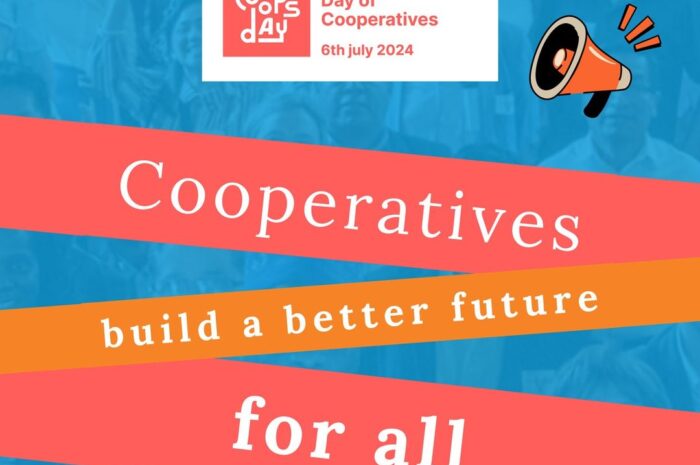
Whether you consider the cooperative model to be market socialism or an alternative, both are opportunities to position it in opposition to pure capitalism. Cooperatives are one strategy to transition from a society that focuses on capitalist profit to one that focuses on human needs. Chances are you’ve bought products and services from a cooperative business and you’ve probably even belonged to a co-op of some kind.
These are our reasons for gardening and growing our own food. Read on…
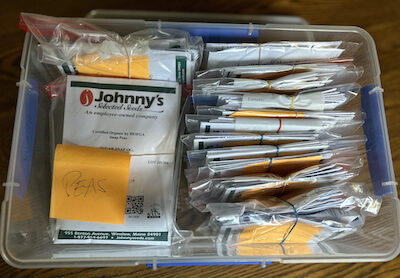
March 23, a box of seeds arrived from Johnny’s Selected Seeds and it was like Christmas all over again. Shopping the seed catalogs reminds me of my childhood thrills flipping through the Sears and Roebuck catalog.
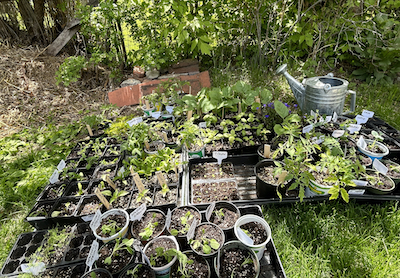
If I can do it, you can too! As a novice assigned the task of growing starts for this year’s garden I dove in head first, and ran right into my total lack of experience and, yes, lack of knowledge. After all, what is so complicated about putting a few seeds in some soil and waiting for Mother Nature to take care of the rest? Here it is July and I’m apologizing to Mother Nature (and my husband) for my hubris, my arrogance, and my ignorance.
At GoodFood World, we’re all about whole or minimally processed food and avoiding all those additives and preservatives that Big Food uses to give “edible food-like substances” their creative aromas, peculiar colors, more-intense-than-real flavors, and months’ long shelf life.
Our local natural food store and their best-selling ice cream brand have let us down. Way down… OK, we’re going to name names here. We trusted Alden’s. After all they told us, “Alden’s Organic frozen treats are always organic, made from real ingredients.” Real ingredients, that’s what we’re looking for.